Anyone can catch the flu. Being young, fit and healthy does not stop you from getting it. It might be mild for some people, and cause very serious illness in other people.
Anyone can catch the flu. Being young, fit and healthy does not stop you from getting it. It might be mild for some people, and cause very serious illness in other people.
If you are 60 or older, a decreasing immune system and other chronic health conditions increase your risk of severe flu and its complications. At your age, flu can have serious health complications.
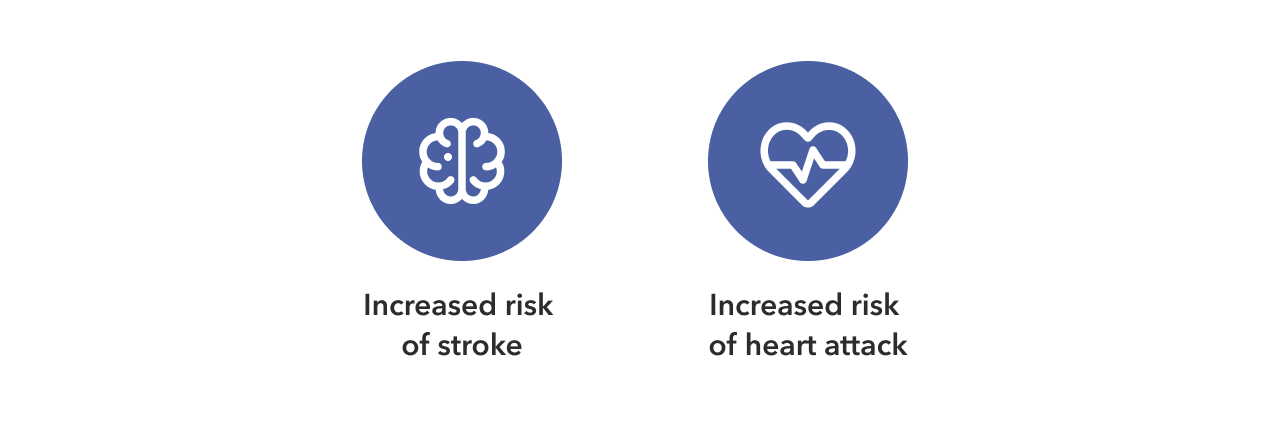
If you catch the flu:
Vaccination can help reduce your risk of catching the flu and getting severe complications
There are a range of flu vaccines available – both funded and non-funded. Speak with your doctor or pharmacist about which vaccine is right for you
Download a handy guide to the flu and what it means for you: Patient Brochure
Across most of Australia, the level of influenza cases increases after school returns compared with when they are on holidays.
What happens if they catch the flu?
Vaccinating your children may help improve their attendance by helping protect them from the flu
That’s why it is recommended that all children 6 months and over receive a flu vaccination
Download a handy guide to the flu and what it means for you: Patient Brochure
The flu vaccines available in Australia cannot give you the flu even though you might feel some symptoms as your body’s immune system develops a response to the vaccination. The flu vaccines used in Australia strengthen your natural immune system by helping it to recognise the flu virus.
Common side effects that you or your child may experience after the flu vaccine include:
These side effects are usually mild and go away within a few days, usually without any treatment. Any medicine, including influenza vaccines can have potentially serious side effects, but these are very rare. You should contact your doctor if you are concerned about any side effects, or if your child has a persistent high temperature.
Ask your healthcare provider which flu vaccine is right for you
MAT-AU-2600348 – 1.0 Approved March 2026
Show All
By clicking on this link, you will be leaving this Sanofi hosted website, and depending on the link, will be redirected to either another Sanofi website (for example, to view the Sanofi Privacy Policy) or an independent third party website which is typically not a Sanofi controlled website and may not be located in Australia (“Third Party Website”).
Use of and access to any Third Party Site is subject to the terms, limitations and conditions set by the Third Party Site producer and applicable laws.
Sanofi does not generally develop or maintain Third Party Sites, nor does it necessarily control those sites availability or what information is contained on those sites in any given instance and makes no representation in relation to those sites to the maximum extent permitted under any applicable laws, regulations or codes.
Any information that you access via a Third Party Site, may not comply with the Australian regulatory requirements. Further information relevant to the Australian environment is available from Sanofi or via the Product Information.